
AI-Driven Autonomous Battery Testing Lab
Building an autonomous battery testing center where agentic AI plans the tests, guides the models and directs the robots.
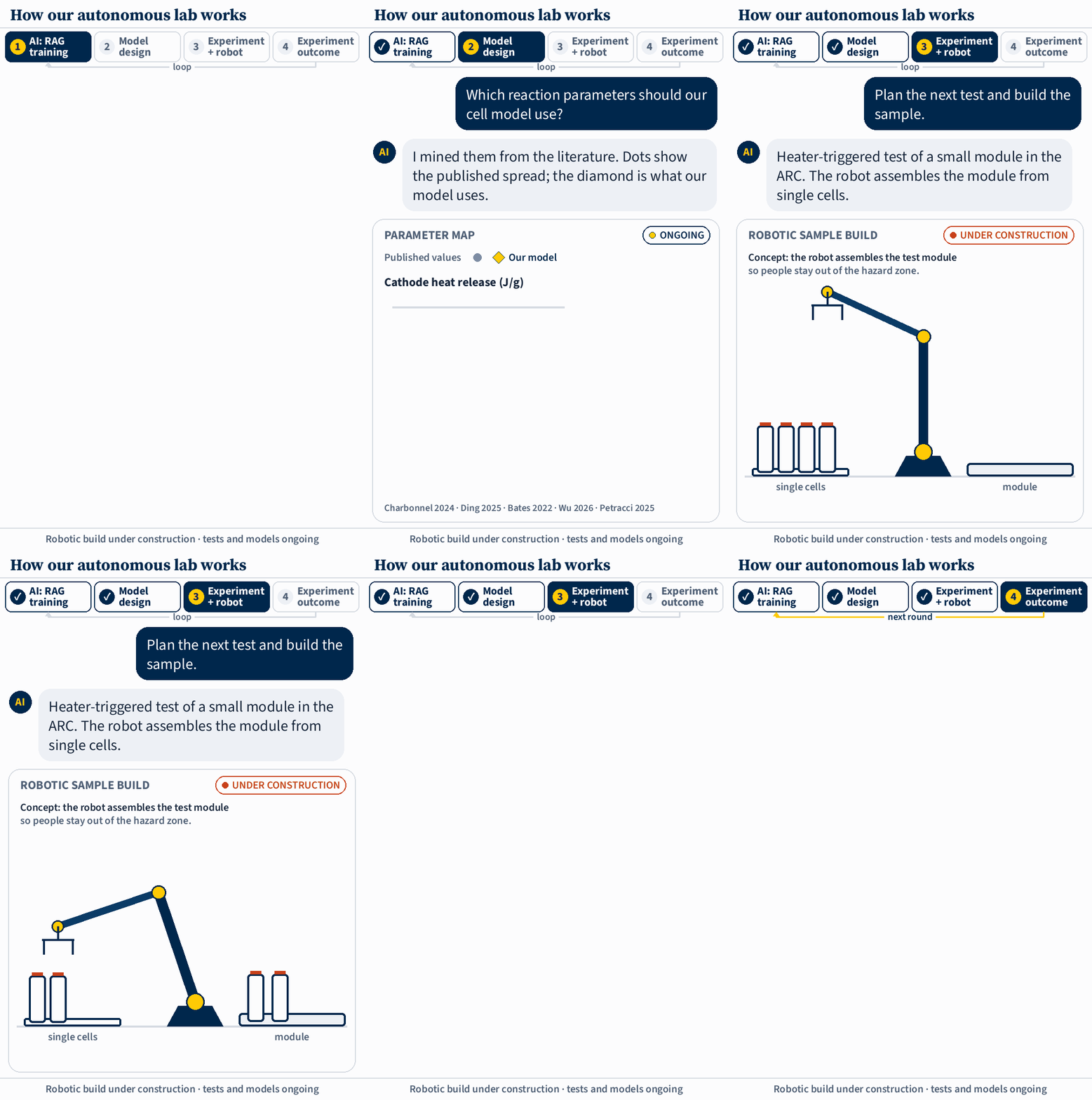
One loop of our autonomous lab: AI → model design → experiment + robot → outcome. Robotic build under construction · tests and models ongoing.
ThermalRunawayAI: answers with sources
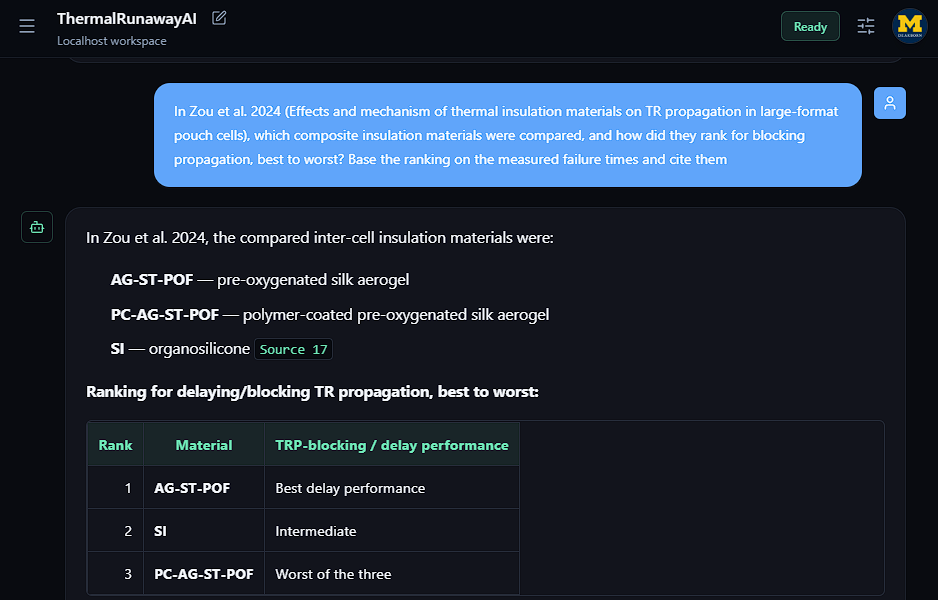
Ask a thermal-runaway question in plain language. Our assistant searches a curated library of published papers, reads their figures and tables, and cites the source of every answer.
AI-guided experimental design
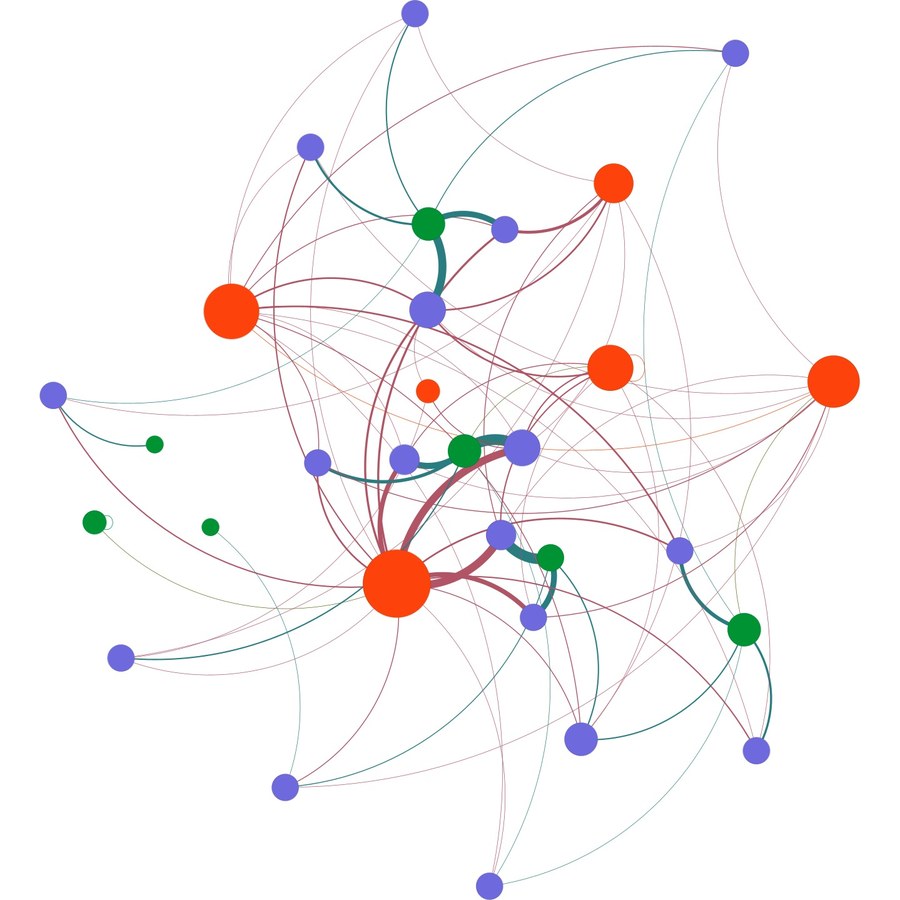
Battery samples are expensive, and a thermal-runaway test destroys them. Our AI turns the literature into a knowledge graph of what drives runaway, then proposes the fewest experiments that answer the question.
AI-guided modeling design
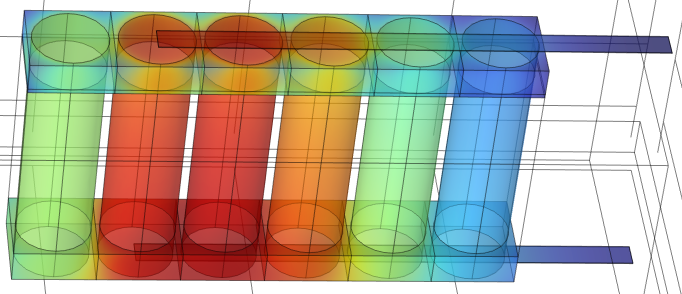
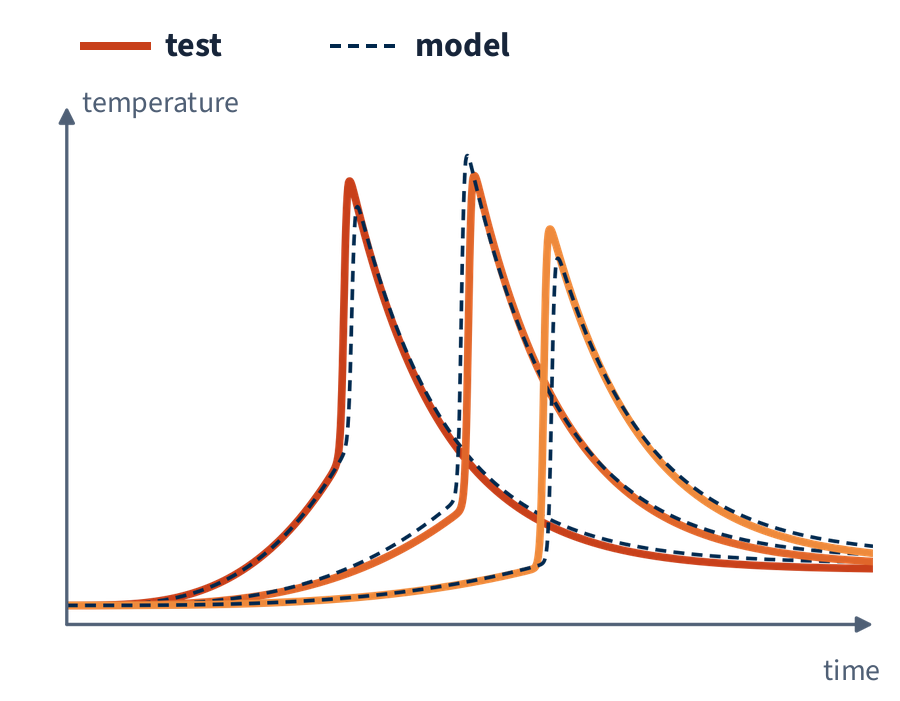
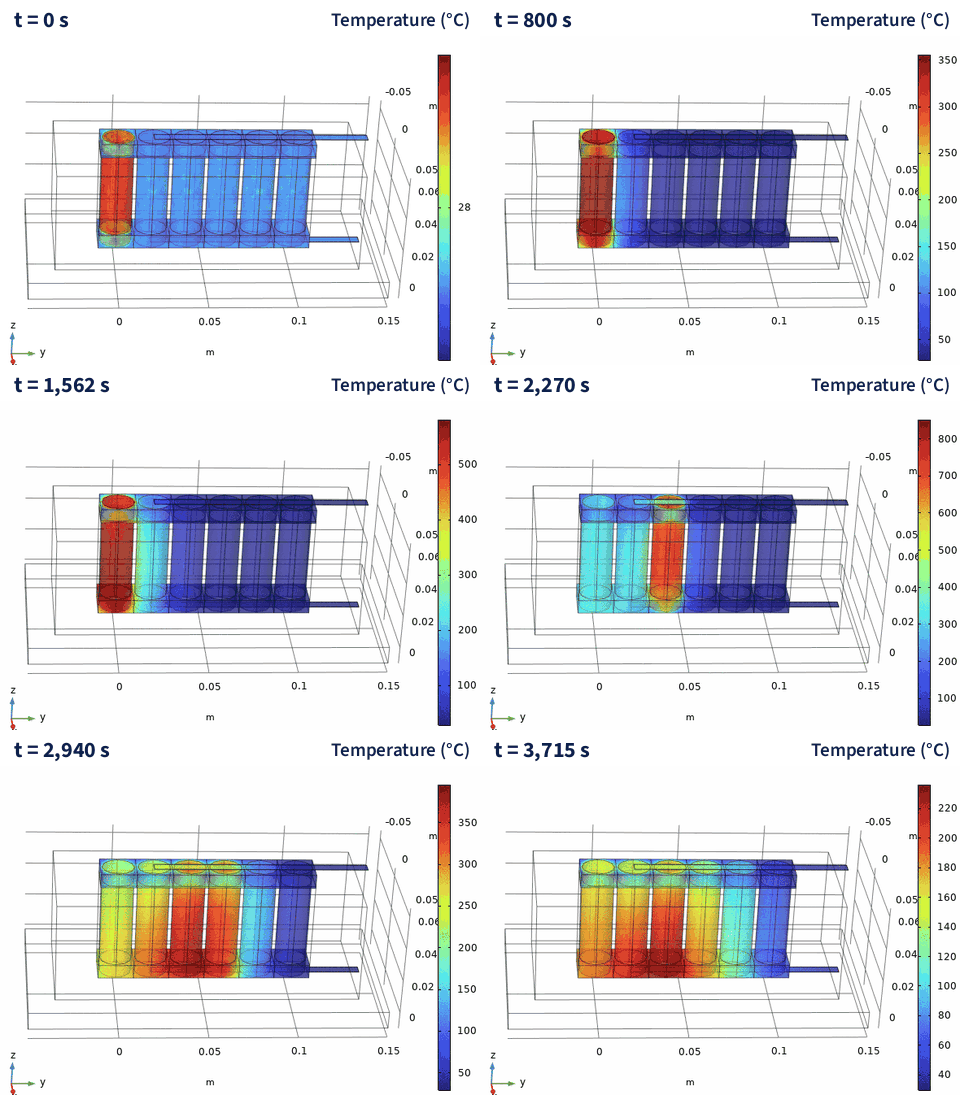
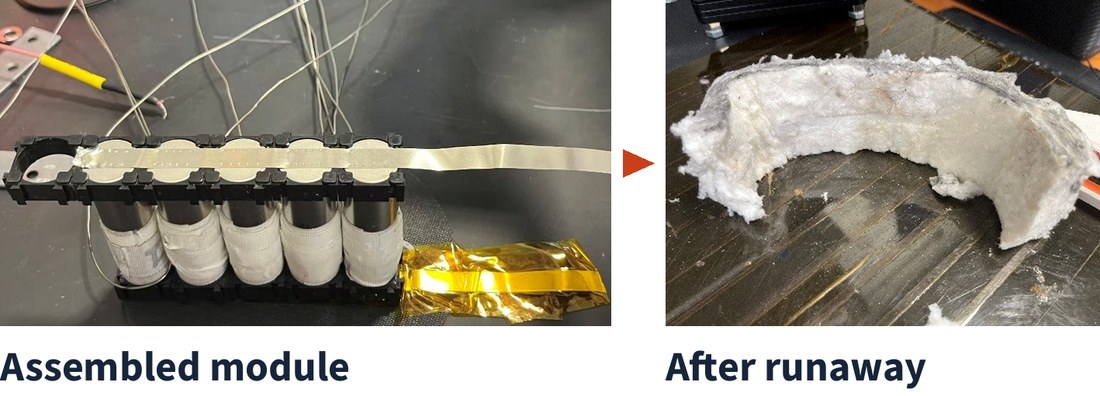
Before a test, our models screen the options. A 3-D module model shows how runaway spreads from cell to cell, and we check it against our own module tests.
Robotic lab control
Thermal-runaway testing is hazardous. Robots will assemble samples, place sensors and load the calorimeter, so people stay out of the test environment.
This part of the lab is under construction. No robot is in use yet.
ARC testing: component, cell, module
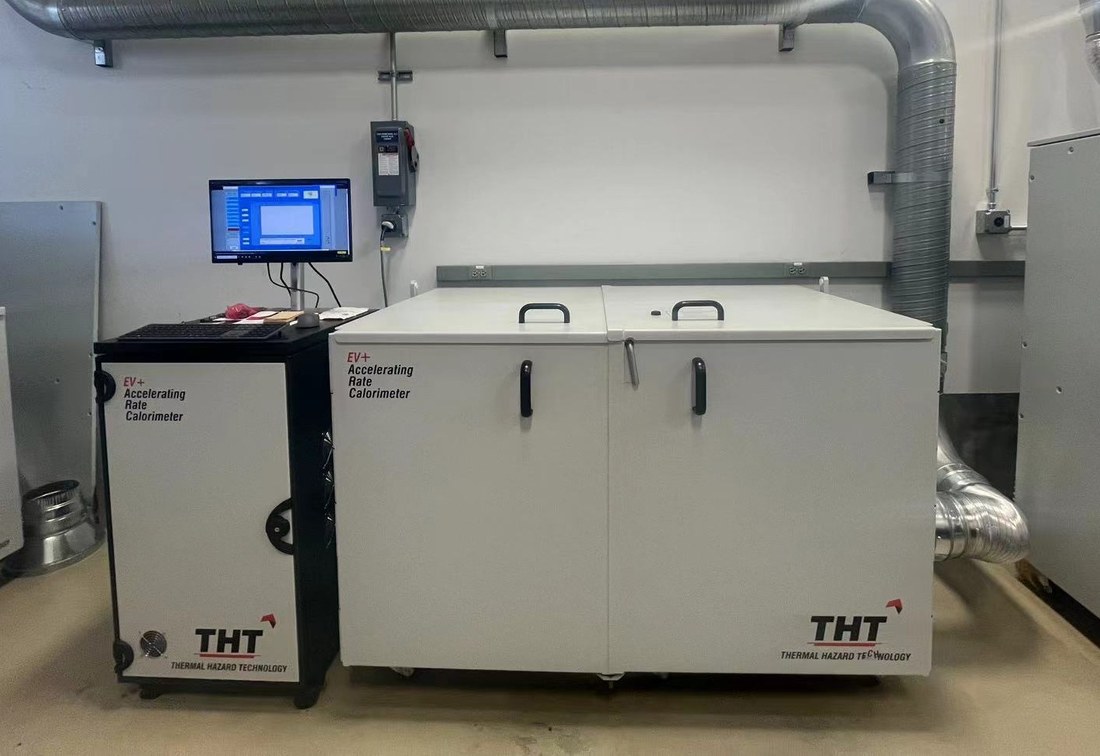
Accelerating-rate calorimeters (ARC) in our lab test materials, cells, modules and electronics.
- Chambers from 10 cm (components, small cells) to 65 cm (modules)
- Performance testing from −20 to 200 °C
- Abuse modes: nail penetration, external short, overcharge, heating
- We measure onset temperature, heat release, pressure rise and gas
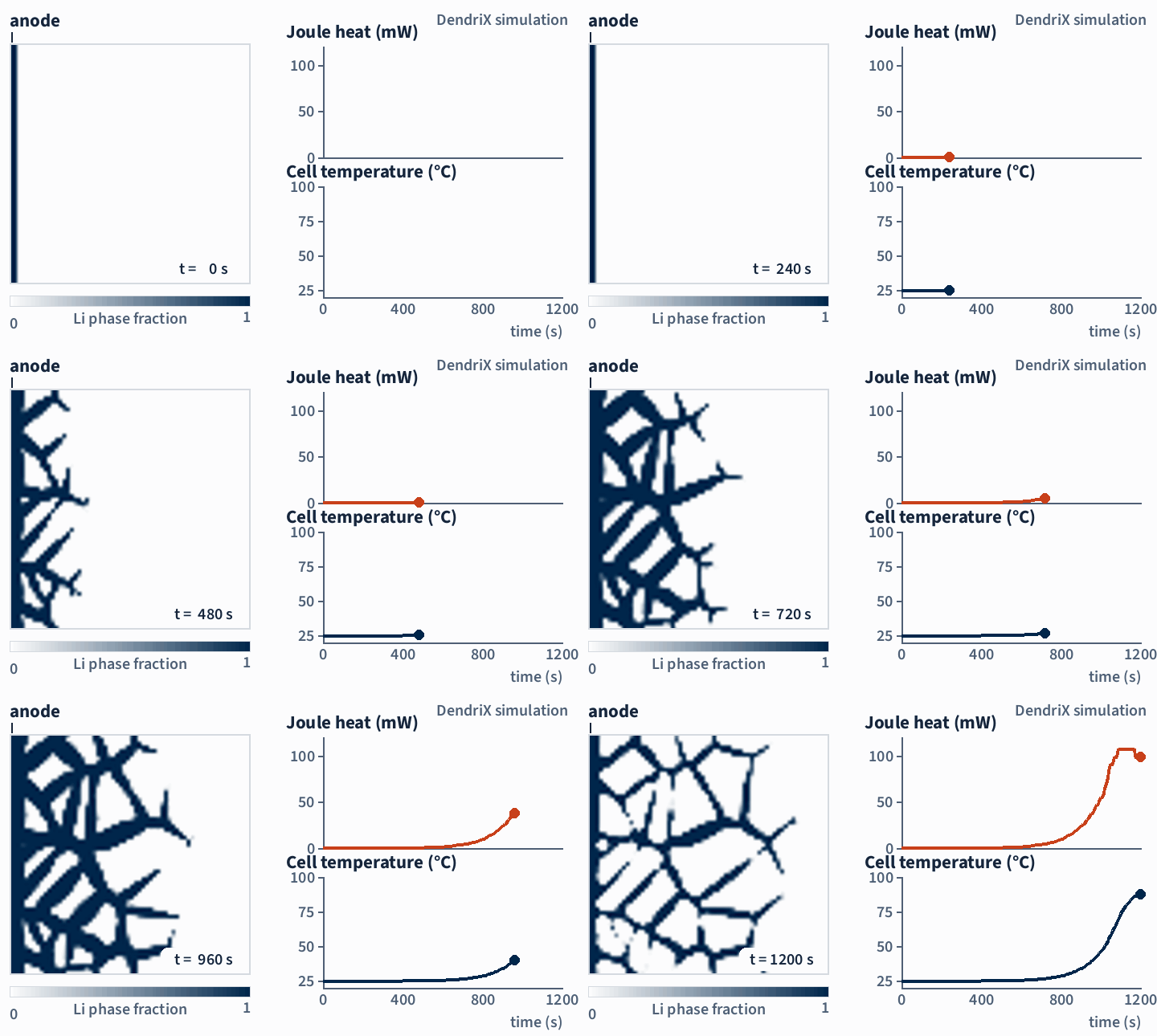
Cell level: heat from a growing dendrite
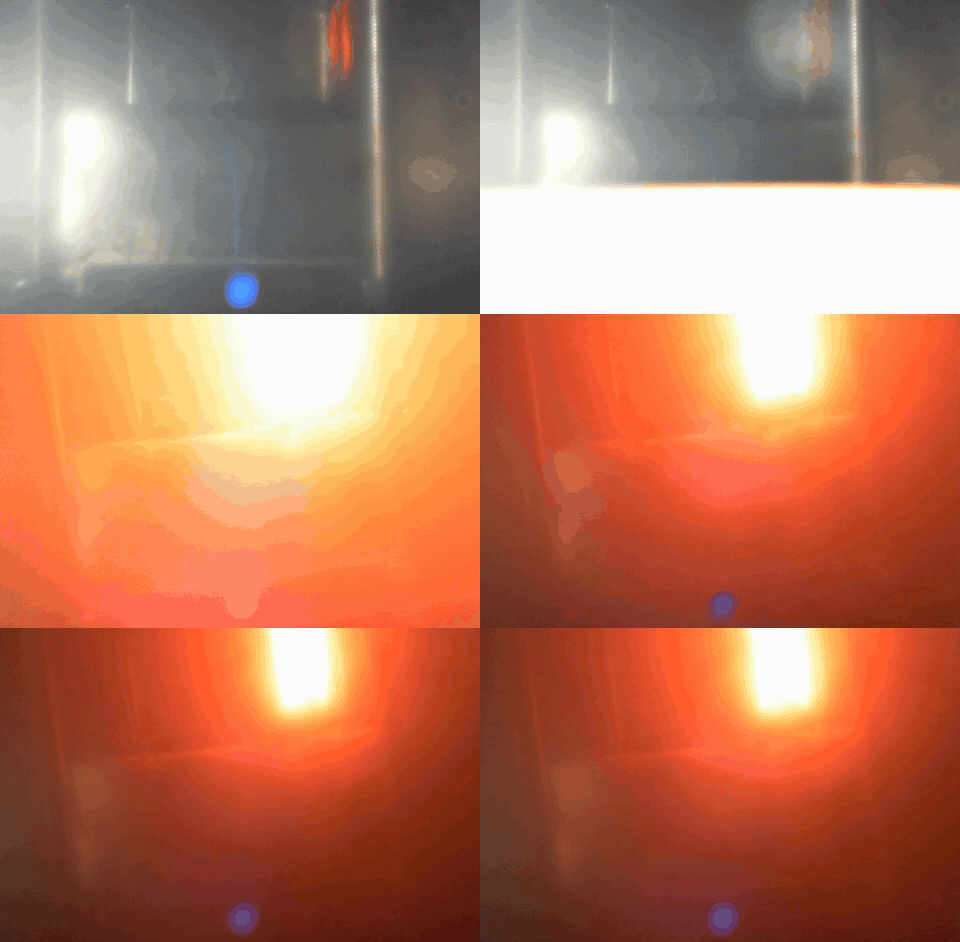
In this simulation there is no outside heat source. As the lithium dendrite grows, the Joule heat it carries rises from under 1 mW to about 108 mW, and the cell warms from 25 °C to about 87 °C within 20 minutes. At the hottest stage, the dendrite begins to thin.
Partner with us
We offer ARC testing of cells, modules and materials, joint research projects, and model-guided test design.
Email Dr. ChenMeet us at The Battery Show 2026: Booth #6242, Oct 13–15, Huntington Place, Detroit.
University of Michigan-Dearborn · College of Engineering and Computer Science · 4901 Evergreen Road, Dearborn, MI 48128